
A Tool Like Any Other
Finding the Middle Ground on AI

Artificial intelligence (AI) has exploded into public consciousness, often sparking reactions wildly disproportionate to its actual impact. At a faculty colloquium earlier this year, two ideas stood out:
Students aren’t going to stop using AI.
Given that reality, we have an obligation to teach them how to use it responsibly.
I took those ideas to heart. I learned the basics, experimented with AI tools, and integrated them into my teaching this term. What I discovered was that, when used ethically, AI can reduce some of the drudgery of writing, but it’s no threat to the creativity of me or my students.
Ethical Use: A Basic Principle
When I told my students they could use AI, they shifted uncomfortably. They weren’t wrong to hesitate. AI carries the real risks of plagiarism and unintentional data leaks, as well as significant environmental impacts. Ethical use requires disclosure, careful tool selection, and a willingness to weigh those impacts.
In my classes, the rule was simple: tell me when you use AI. That transparency opened the door to conversations about which tools protect data and cite sources. Students must cross-checked substantive claims against primary sources. AI summarizers are good dense legal cases or lengthy articles, but don’t replace actually reading the material and learning to parse it.
And yes, environmental concerns matter. AI servers consume enormous energy, but so do many tools we rely on daily. Like choosing between walking and driving, we balance convenience with cost, both financial and environmental.
In a continuing education class for legal professionals, the instructor shared a study showing that AI-assisted legal drafting can cut document preparation time by about one-third. In law, time is literally money. If AI can make legal services more affordable for low-income clients, ignoring it isn’t just inefficient, it’s arguably unethical. Technology isn’t neutral. How we use it shapes access and equity.
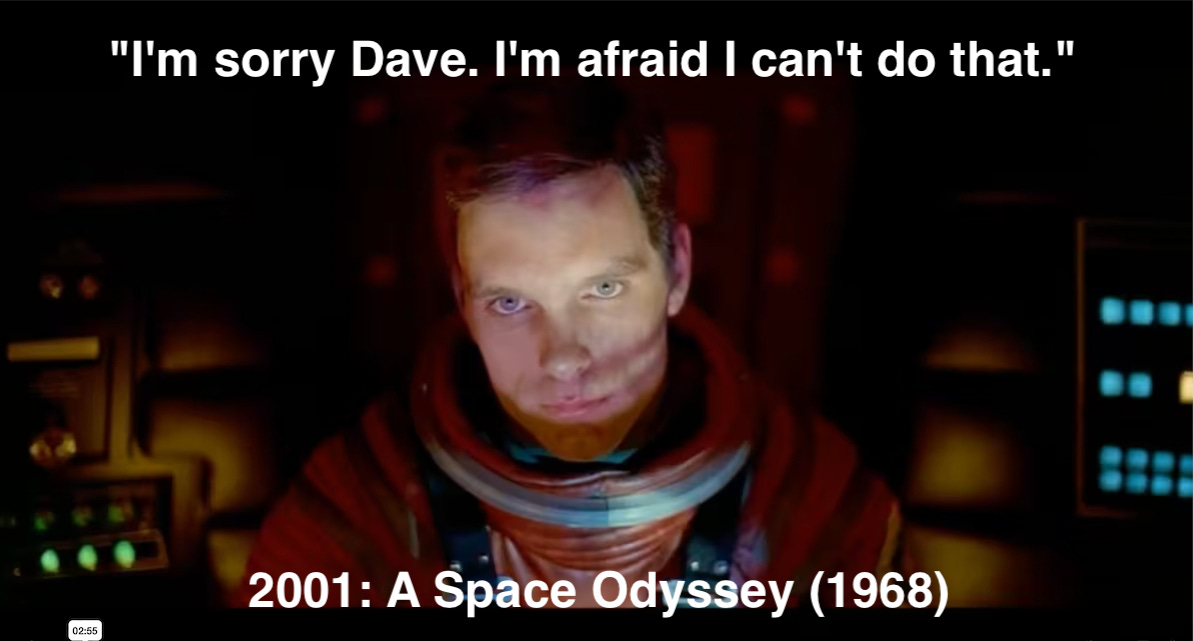
The Positives: Where AI Shines
AI excels at the tasks we find most tedious. I now routinely use it to proofread my own work and my students’ drafts. It’s a better copy editor than I am. It creates bibliographies faster and more reliably than any human could.
Students discovered similar benefits. Some used AI to reformat citations. Others summarized lengthy articles or used it to create slides of their text. I use an AI-powered language app, getting instant feedback that would be impossible (or at least awkward) from a human tutor. These tools amplify learning.
AI also makes presenting information easier. Need a chart comparing constitutional frameworks? Done in seconds. Need a diagram for a complex legal concept? AI can help. Its translations aren’t perfect, but they’re far better than previous generations. I expect we’ll soon see human-supervised interpretation replace live translation in courts and diplomacy.
The Negatives: Creativity Still Matters
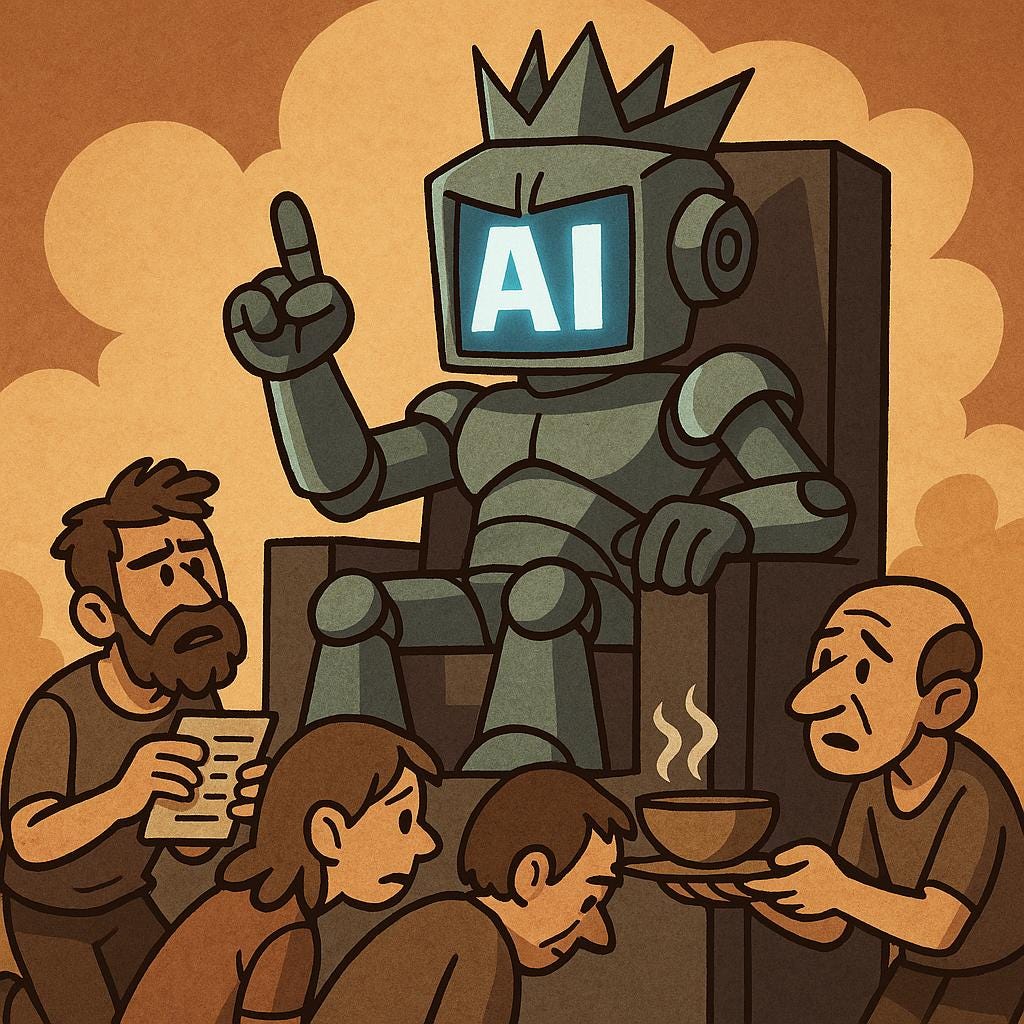
AI is not creative. At its core, it is pattern recognition, a sophisticated cousin of autocomplete. When I asked students to write op-eds, those who leaned too heavily on AI produced bland, generic text. Persuasion requires voice, nuance, and originality. These are qualities AI can mimic but not invent.
The students who succeeded treated AI as a collaborator, not a ghostwriter. Students who wrote from their own experience wrote persuasively. Those that relied too much on AI wrote bland op eds that failed to capture the reader’s attention.

The Bottom Line
We are far from the age of AI overlords. Like any tool, AI will have early adopters and skeptics. It doesn’t “think”; it reflects human work. In my classes, students who engaged deeply, using AI to refine their ideas, not replace them, produced richer, more persuasive writing. Those who over-relied on it wrote poorly.
For original thought, humans remain irreplaceable. And that’s good news.
Disclaimers
In writing my columns, I depend on the representations made in the press. Some of the facts may remain in dispute.
The views expressed herein are those of the author and not necessarily those of the Department of Navy, the Department of Defense, the University of Oregon, or any other entity with which the author is affiliated.
Keep Letters from a Recovering Politician Free
As always, the best thing you can do to support this column is to share it with people who might be interested. I do not have a paid plan because I want folks to be able to access it without worrying about money. If you’d like to leave me a tip to show your appreciation, you can click on the Buy Me a Coffee or PayPal button below.
AI cannot think for itself… until it can. Sincerely Hal 😉
Where & what do you teach? Excellent AI synopsis, THANKS